

Hey there! I'm an outdoor shading supplier, and I often get asked if outdoor shading can be used in areas with extreme temperature variations. Well, let's dive right into this topic and explore the ins and outs of using outdoor shading in such challenging environments.
First off, what exactly do we mean by extreme temperature variations? We're talking about places where the temperature can swing from scorching hot in the summer to freezing cold in the winter. Think deserts that get super hot during the day and then drop to near - freezing at night, or regions with harsh winters and sweltering summers.
Now, the big question is, can outdoor shading stand up to these wild temperature changes? The short answer is yes, but it depends on a few key factors.
Material Matters
The material of the outdoor shading is crucial. Different materials have different properties when it comes to handling temperature extremes.
For example, some fabrics are great at blocking the sun's heat during hot days. They can reflect a significant amount of solar radiation, keeping the area underneath cool. But in cold weather, these same fabrics might not provide much insulation. On the other hand, materials like aluminum are more durable and can withstand a wider range of temperatures. Aluminum doesn't expand or contract as much as some other materials, which means it's less likely to warp or break in extreme heat or cold.
Let's take a look at some of the products we offer. Our Awning Canopy for Balcony is made from high - quality fabric that's treated to resist fading and damage from the sun. It's perfect for those hot summer days when you want to enjoy your balcony without getting roasted by the sun. But if you live in an area with cold winters, you might want to consider adding some extra insulation to it.
Our Balcony Side Awning is another great option. It's designed to provide shade from the side, which can be really useful in areas where the sun comes from different angles throughout the day. The frame is usually made of a strong metal that can handle temperature changes well.
Installation and Maintenance
Proper installation is also essential for outdoor shading in areas with extreme temperature variations. If the shading is not installed correctly, it might not be able to withstand the stress caused by temperature changes. For example, if the awning is not properly secured, strong winds that often come with temperature swings could blow it away.
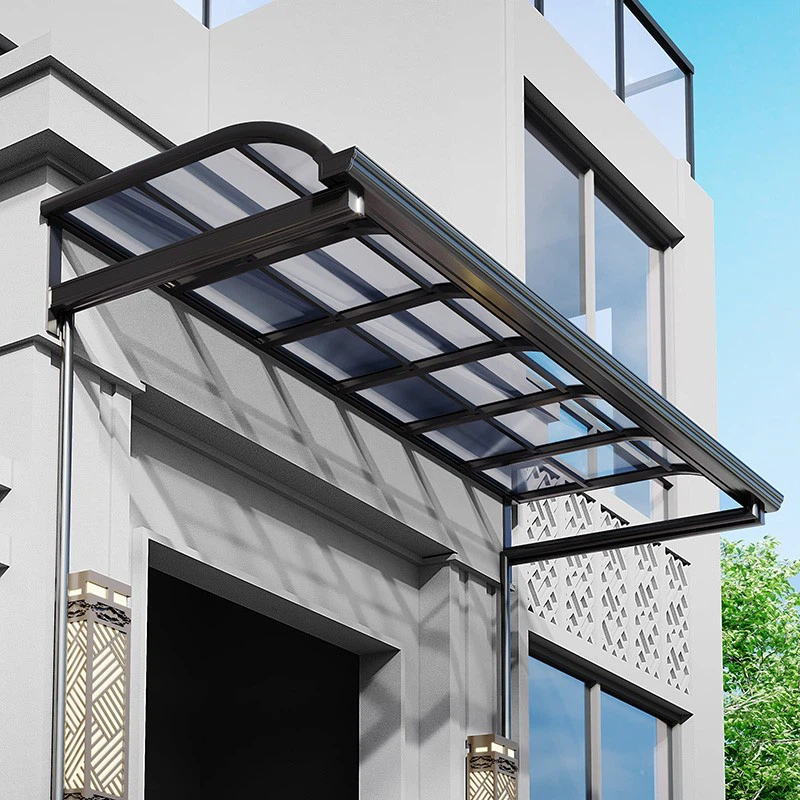

Maintenance is another important aspect. You need to regularly check your outdoor shading for any signs of damage, such as cracks in the fabric or rust on the frame. In areas with extreme cold, you might need to take extra precautions to protect the shading during the winter. For instance, you could remove the fabric part of an awning and store it indoors to prevent it from getting damaged by snow or ice.
Benefits of Outdoor Shading in Extreme Temperatures
Despite the challenges, there are many benefits to using outdoor shading in areas with extreme temperature variations.
In the summer, outdoor shading can significantly reduce the temperature inside your home or building. By blocking the sun's rays, it can keep your rooms cooler, which means you'll use less air - conditioning. This not only saves you money on your energy bills but also reduces your carbon footprint.
In the winter, some types of outdoor shading can actually provide a bit of insulation. For example, a well - designed carport can protect your vehicle from the cold and snow. Our Aluminum Carport with Sides is a great choice for this. The aluminum frame is strong and can handle the weight of snow, and the sides can block the wind, keeping your car warmer.
Case Studies
Let's look at a couple of real - life examples. In a desert town, a homeowner installed an awning on their patio. During the summer, the temperature inside the patio area dropped by several degrees, making it much more comfortable to sit outside. In the winter, the awning provided some protection from the cold winds, although it didn't completely block out the cold.
In a coastal area with both hot summers and cold winters, a business owner installed a large canopy over their outdoor seating area. The canopy was made of a special fabric that was both heat - resistant and water - repellent. It not only kept the customers cool in the summer but also protected them from light rain and wind in the winter.
Choosing the Right Outdoor Shading
When choosing outdoor shading for an area with extreme temperature variations, you need to consider your specific needs. Think about how you'll use the shaded area, what kind of temperature swings you experience, and your budget.
If you're mainly concerned about summer heat, a fabric awning might be a good choice. But if you need something that can handle both hot and cold, an aluminum structure could be better. You can also mix and match different types of shading to get the best of both worlds.
Conclusion
So, to answer the question, yes, outdoor shading can definitely be used in areas with extreme temperature variations. With the right materials, proper installation, and regular maintenance, outdoor shading can provide many benefits in these challenging environments.
If you're interested in learning more about our outdoor shading products or have any questions about using them in areas with extreme temperature variations, don't hesitate to reach out. We're here to help you find the perfect solution for your needs. Whether you're looking for an awning for your balcony or a carport for your vehicle, we've got you covered. Let's start a conversation and see how we can make your outdoor space more comfortable and functional, no matter what the temperature is outside.
References
- "Outdoor Shading Materials and Their Performance in Different Climates" - Journal of Environmental Design
- "The Impact of Outdoor Shading on Energy Consumption in Extreme Temperature Areas" - Energy Research Quarterly