

Temperature changes can have a significant impact on aluminum louver pergolas, affecting their performance, durability, and overall functionality. As a supplier of high - quality aluminum louver pergolas, I have witnessed firsthand how different temperature conditions can influence these structures. In this blog, we will explore the various impacts of temperature changes on aluminum louver pergolas and discuss how to mitigate potential issues.
Thermal Expansion and Contraction
One of the most noticeable effects of temperature changes on aluminum louver pergolas is thermal expansion and contraction. Aluminum, like many other materials, expands when heated and contracts when cooled. This property is governed by the coefficient of thermal expansion, which is a measure of how much a material will expand or contract per degree of temperature change.
For aluminum, the coefficient of thermal expansion is relatively high compared to some other metals. When the temperature rises, the aluminum components of the louver pergola will expand. This expansion can cause the louvers to become slightly misaligned, potentially affecting their ability to open and close smoothly. In extreme cases, excessive expansion can lead to warping or bending of the aluminum frames.
Conversely, when the temperature drops, the aluminum contracts. This contraction can create gaps between the louvers or cause the structure to become more rigid. If the contraction is severe, it may lead to stress on the joints and connections of the pergola, increasing the risk of damage over time.
To address these issues, it is important to design aluminum louver pergolas with proper allowances for thermal expansion and contraction. This can include using flexible joints and connections that can accommodate the movement of the aluminum components. Additionally, regular maintenance and inspection can help identify any signs of misalignment or stress early on, allowing for timely repairs.
Corrosion and Oxidation
Temperature changes can also affect the corrosion and oxidation rates of aluminum louver pergolas. Aluminum naturally forms a thin oxide layer on its surface, which helps protect it from further corrosion. However, extreme temperature variations can disrupt this protective layer and accelerate the corrosion process.
In hot and humid environments, the combination of high temperatures and moisture can create a corrosive atmosphere. The heat can increase the rate of chemical reactions, causing the aluminum to oxidize more quickly. This can result in the formation of rust - like deposits on the surface of the pergola, which not only affects its appearance but also weakens the structure over time.
On the other hand, in cold temperatures, moisture can freeze on the surface of the aluminum. When the ice thaws, it can carry away the protective oxide layer, leaving the aluminum vulnerable to corrosion. Salt and other de - icing agents used in cold climates can also exacerbate the corrosion problem.
To prevent corrosion, it is essential to choose high - quality aluminum that has been treated with a protective coating. This coating can provide an additional barrier against moisture and chemicals. Regular cleaning and maintenance, including the removal of dirt, debris, and salt deposits, can also help extend the lifespan of the pergola.
Impact on Functionality
Temperature changes can have a direct impact on the functionality of aluminum louver pergolas. For example, in hot weather, the louvers may need to be adjusted to provide maximum shade and ventilation. However, if the thermal expansion has caused the louvers to become misaligned, it may be difficult to open and close them properly. This can reduce the effectiveness of the pergola in providing a comfortable outdoor environment.
In cold weather, the contraction of the aluminum can make the louvers stiffer and more difficult to operate. If the pergola is equipped with an automatic louver system, the temperature - induced changes in the aluminum components may affect the performance of the motors and sensors. This can lead to malfunctions or inaccurate operation of the automatic louvers.
To ensure optimal functionality, it is important to choose an aluminum louver pergola that is designed to withstand a wide range of temperatures. Automatic Louvered Pergola models often come with advanced features and technology that can compensate for temperature - related changes. Additionally, regular testing and calibration of the automatic systems can help maintain their performance.
Aesthetic Considerations
Temperature changes can also have an impact on the aesthetic appearance of aluminum louver pergolas. As mentioned earlier, corrosion and oxidation can cause the surface of the aluminum to become discolored or develop a rough texture. This can significantly detract from the overall look of the pergola.
In addition, thermal expansion and contraction can cause the paint or finish on the aluminum to crack or peel. This is especially true if the paint or finish was not applied correctly or if it is not designed to withstand temperature variations. A damaged paint or finish not only looks unappealing but also exposes the aluminum to further corrosion.
To maintain the aesthetic appeal of the pergola, it is important to choose a high - quality paint or finish that is specifically formulated for outdoor use and can withstand temperature changes. Regular touch - ups and repainting can also help keep the pergola looking its best.
Mitigating the Impact of Temperature Changes
As a supplier of aluminum louver pergolas, we take several steps to mitigate the impact of temperature changes on our products. First, we use high - grade aluminum that has been carefully selected for its strength and resistance to thermal expansion and corrosion. Our aluminum is treated with a durable protective coating that provides long - lasting protection against the elements.
We also design our pergolas with flexibility in mind. Our joints and connections are engineered to allow for movement due to thermal expansion and contraction, ensuring that the structure remains stable and functional. For Large Louvered Pergola models, we pay special attention to the structural integrity to accommodate the larger surface area and potential for greater expansion and contraction.

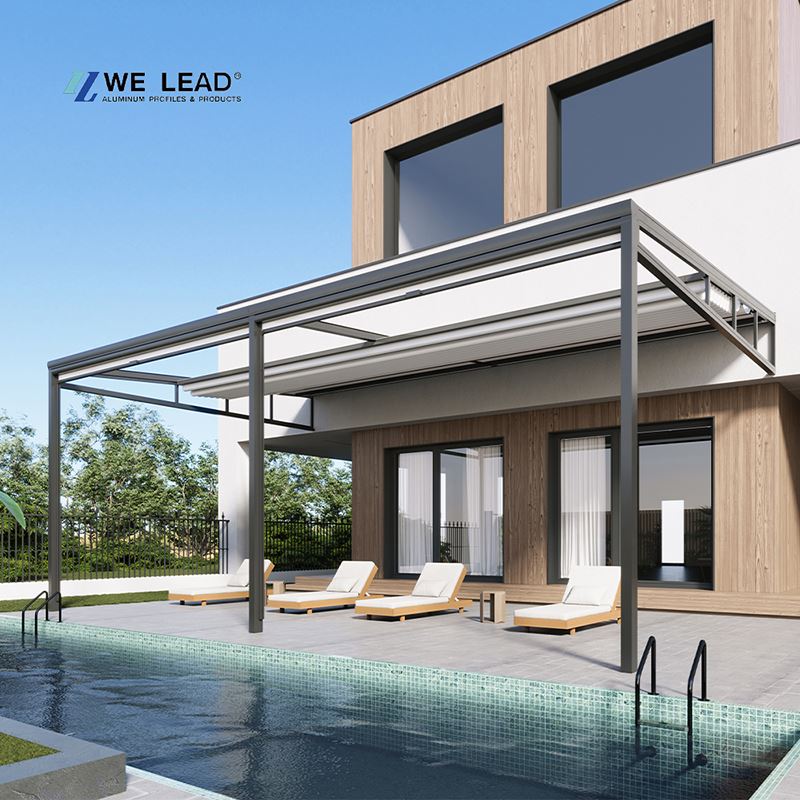
In addition, we offer a range of Aluminum Retractable Roof Awning options that can provide additional protection from the sun and rain, reducing the exposure of the pergola to extreme temperature variations. These awnings can be adjusted to suit different weather conditions, further enhancing the comfort and functionality of the outdoor space.
Conclusion
Temperature changes can have a profound impact on aluminum louver pergolas, affecting their performance, durability, functionality, and aesthetic appearance. However, by understanding these impacts and taking appropriate measures to mitigate them, it is possible to ensure that your aluminum louver pergola remains in excellent condition for many years to come.
If you are interested in purchasing an aluminum louver pergola that is designed to withstand temperature changes and provide long - lasting performance, please feel free to contact us for more information. Our team of experts is ready to assist you in selecting the right pergola for your needs and answering any questions you may have.
References
- ASM Handbook, Volume 2: Properties and Selection: Nonferrous Alloys and Special - Purpose Materials. ASM International.
- Aluminum Association. Aluminum Design Manual.